Blog & Research

Latest from our food scientists

Plain-English ingredient breakdowns, nutrition research, and the occasional deep dive into food labels.

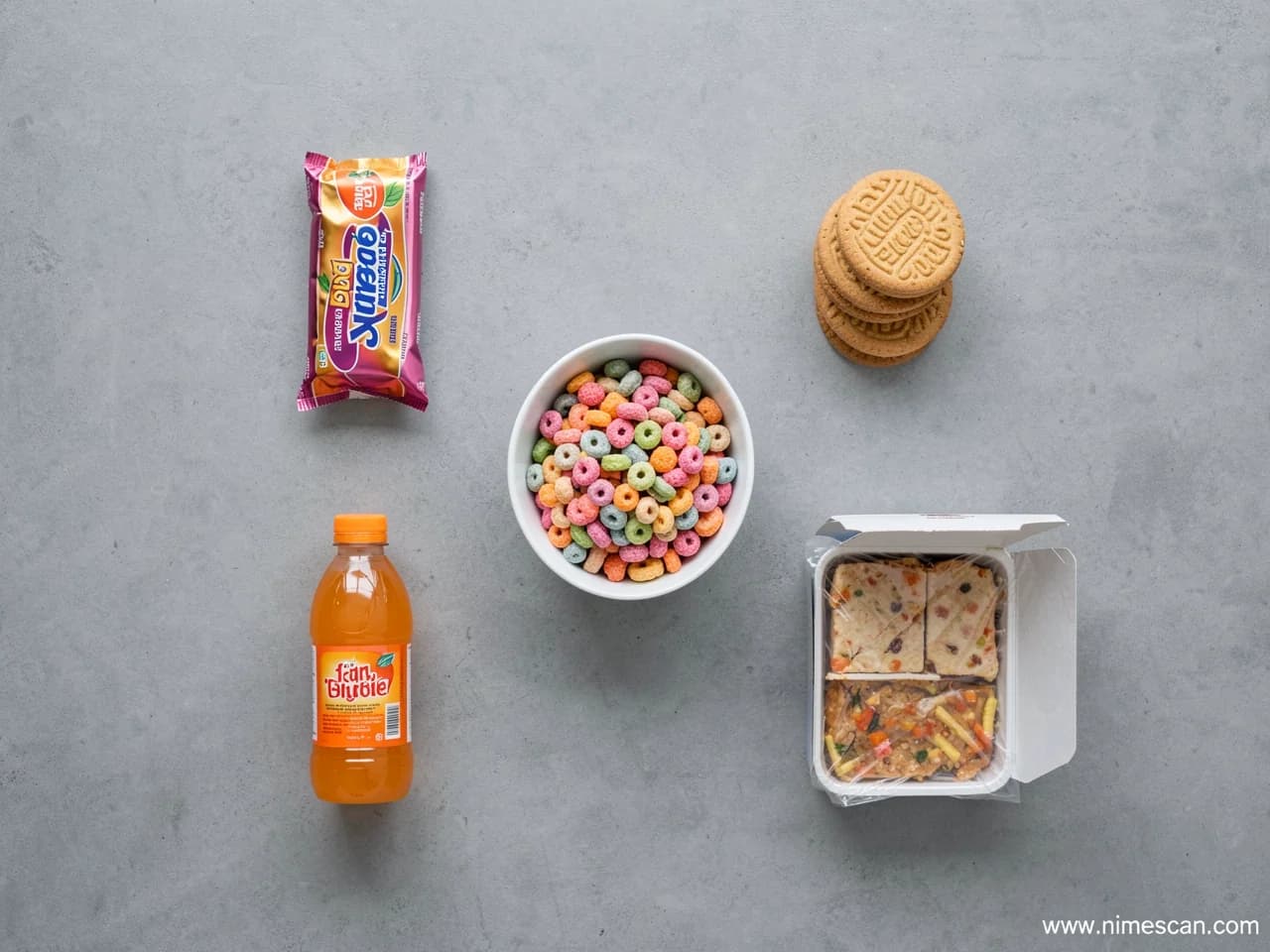
An editorial overhead flat lay of common ultra-processed products — a bowl of sugary breakfast cereal, a packaged snack bar, biscuits, a bottled soft drink and a ready-meal box — arranged on a neutral surface, illustrating the categories at the centre of the May 2026 European Heart Journal ultra-processed food reportUltra-processed Food

Ultra-processed food and the heart: what the May 2026 European Heart Journal report and the Lancet series actually say

A May 2026 European Heart Journal report and the Lancet's landmark ultra-processed food series document ~50% higher cardiovascular mortality risk, 48–53% higher common mental-disorder risk, and consistent evidence across more than 30 damaging health outcomes. Here's what the research actually shows, where the uncertainty still sits, and what to do about it in your weekly shop.

Jul 11, 2026
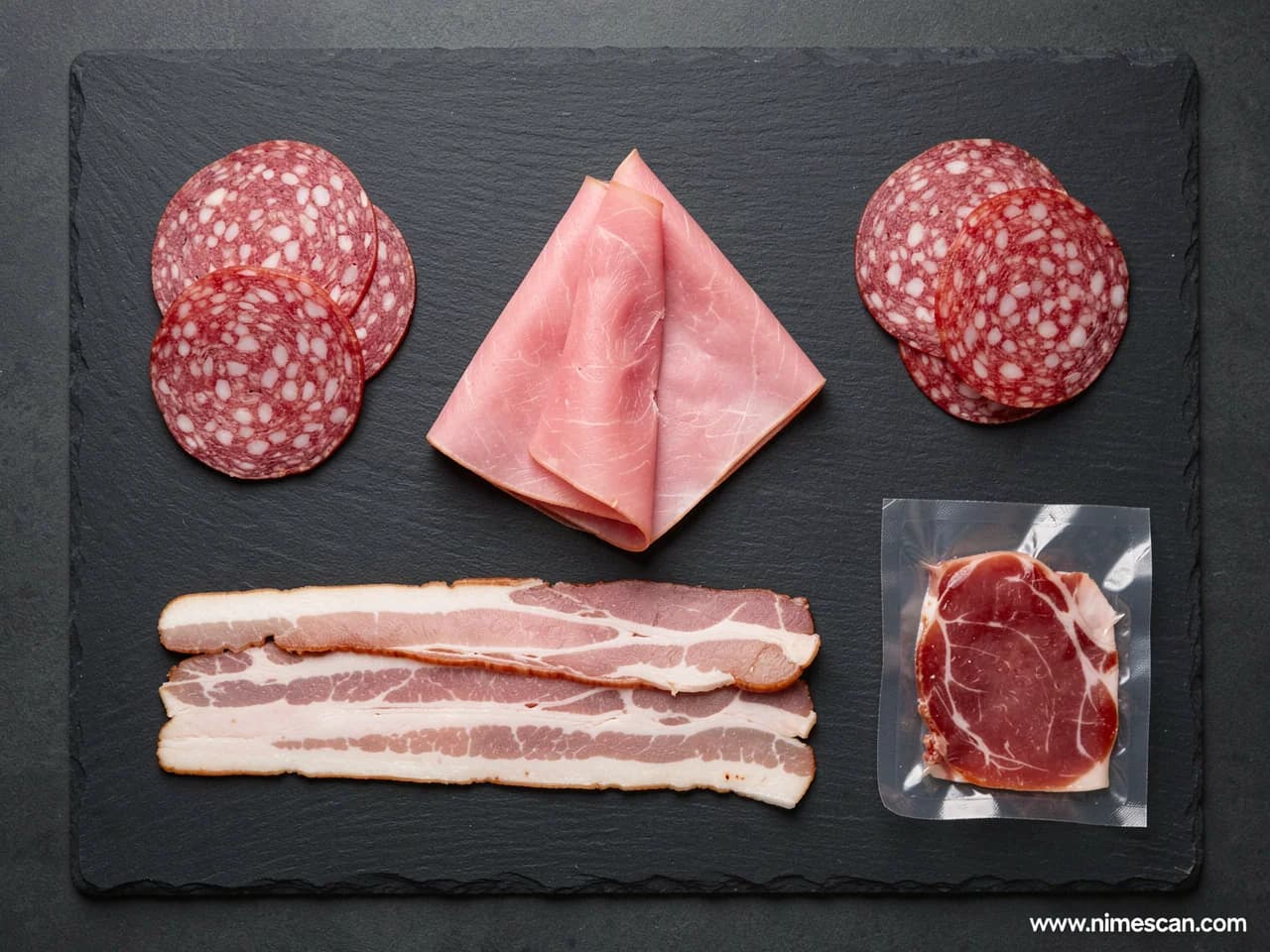
An editorial overhead flat lay of common cured and processed meat products — sliced bacon, salami, deli-style ham and cooked-cured meat slices — arranged on a matte slate board, illustrating the categories affected by Commission Regulation (EU) 2023/2108 that cut permissible nitrite levels from October 2025Processed Meat

Nitrites and nitrates in processed meat: what the 2025 EU cut actually did and what's still under debate

Commission Regulation (EU) 2023/2108 cut permissible nitrite levels in EU meat products by nearly half from October 2025, based on EFSA's 2023 risk assessment linking nitrite exposure to endogenous nitrosamine formation and cancer risk. Eight months in, a European scientist coalition is pushing for tougher limits still, food-industry compliance is uneven, and reformulation science is moving fast. Here's where the regulation actually landed and what still needs to happen.

Jul 11, 2026
An editorial overhead flat lay of the three main acrylamide sources — a cup of dark roasted coffee, a plate of dark toasted bread, and a bowl of potato crisps — arranged on a warm wooden surface, illustrating the everyday products at the centre of the EU's late-2026 binding acrylamide limits proposalAcrylamide

Acrylamide in coffee, bread and crisps: what the EU is preparing for late 2026 and why binding limits matter

Acrylamide — a probable human carcinogen formed when carbohydrate-rich foods brown at high heat — is currently controlled in the EU via benchmark levels rather than binding limits. Binding limits are expected in late 2026, driven by EFSA exposure data from 2020–2023 and a wave of reformulation science including a April 2026 CRISPR wheat trial cutting acrylamide by 93%. Here's what the current rules do, where the tighter limits are heading, and what to think about at breakfast.

Jul 11, 2026